A path to healing the mother wound
If you’re reading this post, it’s likely that you’ve been impacted by the “mother wound” in some way. Perhaps you’re seeking more understanding and insight into your own experiences, or maybe you’re looking for ways to heal and move forward. Whatever your reason for being here, I want you to know that you’re not alone.
What is the “Mother wound”?
The mother wound is a term used to describe the emotional pain and trauma that can result from a dysfunctional or difficult relationship with your mother. It can also come as a result of a mother being absent from a persons life for various reasons including a her death, imprisonment, addiction or mental illness.
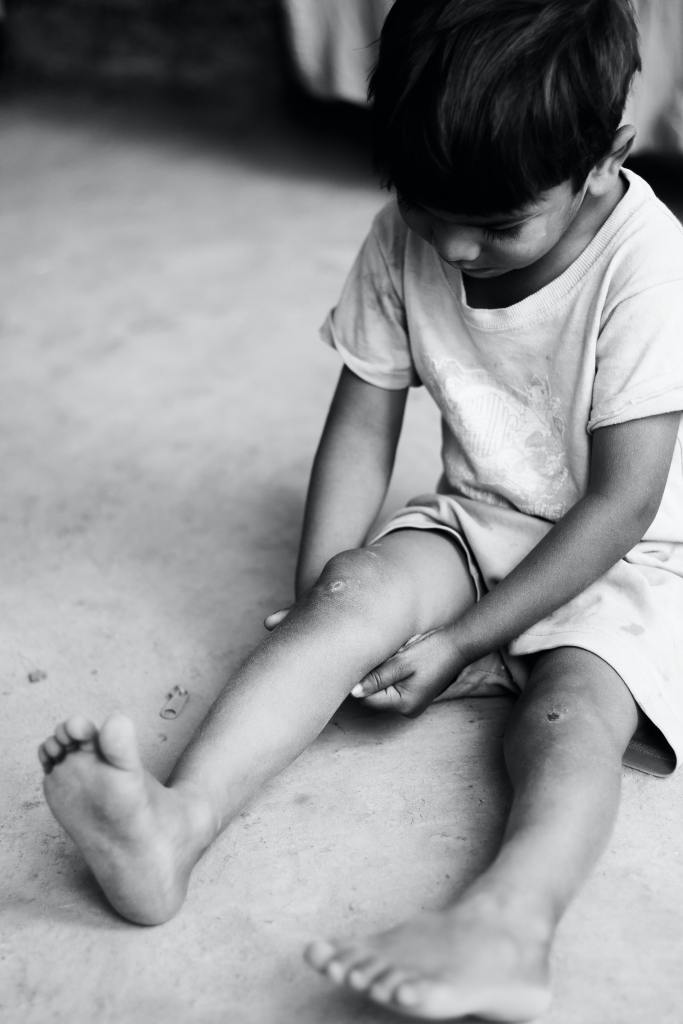
When a child develops a mother wound, it can lead to a range of challenges linked to their ability to form healthy relationships and issues with low self-worth, anxiety, depression and difficulty trusting or loving others. The relationship a person had/has with their mother can have a profound and lasting impact on a their sense of self and ability to navigate the world. Healing from the mother wound often requires a deep and committed personal journey of self-exploration, self-awareness, and healing.
As a therapist, I often work with clients who have been impacted by the mother wound. It’s a complex and challenging issue, and it can be difficult to navigate on your own. One thing I will offer early on is that our mothers had a life before we came along. What do you know of that life? Can you imagine what that might have been like? Acknowledging this is not to bypass any physical or emotional pain you may have experienced or are experiencing, but to offer yourself an opportunity to explore if the impact was intentional and personal to you, or if it’s more likely that it was personal to your mother.
The second thing I want to offer here is that healing from this type of pain does not mean that you have to develop a relationship with your mother. This can often be a reason that some people find it hard to approach this subject. I invite you to remember that just because you are working through your ‘stuff’, doesn’t mean that you have to forgive and forget. However, the work you do is likely to free you from carrying the weight of the past around each day.
How to begin healing it…
Recognise the impact that the relationship with your mother has had on your life, both the pretty and not so pretty. This will involve reflecting on your past experiences and how they have influenced your values, beliefs, thoughts, and emotions.
There are likely to be blind spots and defence mechanisms that present themselves, so it may be best to begin the exploration with a qualified therapist. However as a first step, taking a step back to observe the impact of that relationship, you can begin to take steps towards healing and moving forward. In my own experience, it was crucial to acknowledge the deep emotional pain and judgement I carried towards my mother, her choices and the effect it had on my relationship with her, myself and relationship with others.
It’s also extremely important to become more attuned to your own emotions, thoughts, and behaviours, and learn how to respond to them in healthy and constructive ways. This is a crucial part of the healing journey as it has a direct impact on things you can address as an adult with choices and control.
Where to start… Journalling
Journalling can be a profound way of exploring your inner world and past experiences with your mother. It is a way of creating a safe space within yourself that is personal to you and your journey. Some people believe you have to go back and read your journal entries or you have to do it every day to do it ‘right’. These are myths, there is no journal writing committee policing how people make note of their thoughts, the process is completely personal so you make the rules. If you want to journal every day, every hour, ever month or whenever you feel like it, then so be it.
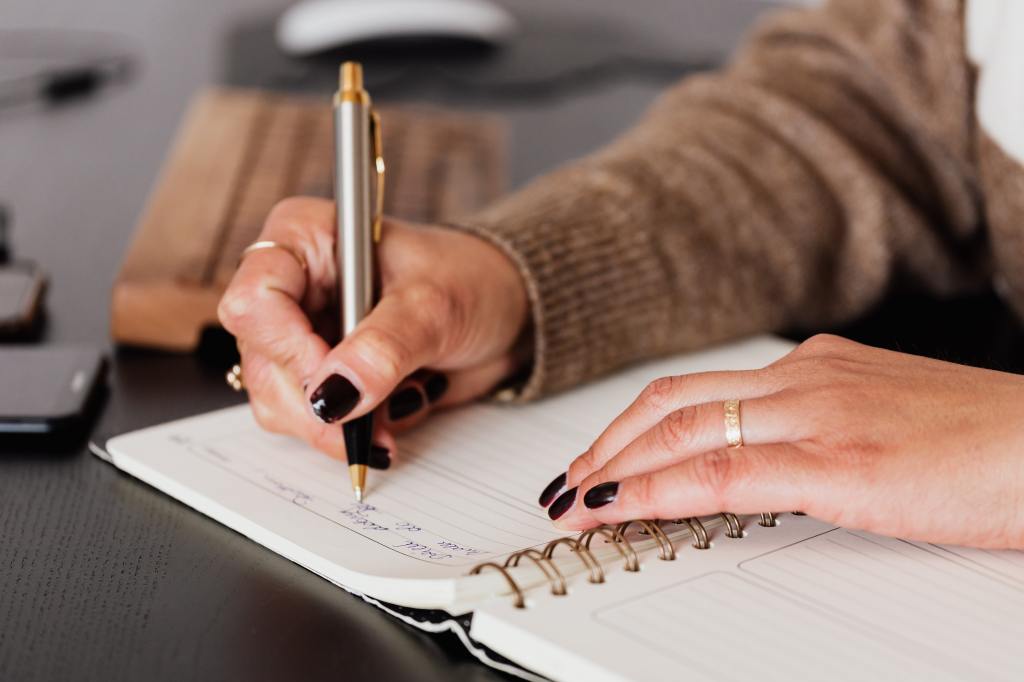
Writing about experiences, thoughts, and emotions can help clarify your feelings and gain a deeper understanding of yourself. It can also provide a sense of control and agency over your thoughts and emotions, which can be empowering. I often see journalling as a way of developing a relationship with 2 different versions of yourself; the quick thinking, survival mode self that operates from the hurtful experiences and the slower, more accepting self that operates from a place of love and compassion. Often times without working through the quick thinking survival mode thoughts, they occupy your mind and seem like the only way to think, which can often be quite damaging.
Mindfulness and the pain body
Practicing mindfulness is another step to becoming more aware of your thoughts, emotions, and physical sensations. This can help you identify patterns and triggers that may present themselves when thinking about or are in the company of your mother. A book that I often recommend to clients is ‘A New Earth by Eckhart Tolle’; the chapter where he discusses the pain body is significant in offering yourself an opportunity to be mindful in painful interactions with your mother or in any relationship for that matter.
According to Tolle, the pain body is a collection of emotional pain and wounds that are stored in the body and can be triggered by external events or memories. The pain body can be thought of as a personal entity that feeds on negative thoughts and emotions, and can take over a person’s thoughts and behaviours.
In the context of the mother wound, the pain body can be particularly strong and difficult to manage. A challenging or absent mother-child relationship can lead to deep emotional pain and trauma that can become stored in the pain body. These wounds can be triggered by external events that remind the person of their past experiences in relation to their own mother or other people and experiences in their lives.
The pain body can make it difficult for a person to observe and heal from the mother wound, as it can cause them to relive past pain and trauma over and over again. By becoming aware of the pain body and learning to observe it without judgment, a person can begin to break free from its grip. By learning to recognise when the pain body is active and consciously choosing to no longer identify with it, a person can gain greater control over their thoughts and behaviours and begin to heal from their mother wound.
The mother wound is a complex and challenging subject to explore, but it is possible to heal and move forward with time and effort. By exploring your own experiences, developing a new level of self-awareness, and practicing self-compassion and forgiveness, you can begin to break the cycle and form healthier relationships with yourself and others. If you’re ready to begin your personal healing journey, know that support and guidance are available.
5 journal prompts that could get you started with exploring the relationship with your mother:
- How has your relationship with your mother changed over time? What are some key moments or experiences that have influenced your relationship.
- What are some things you would like to express to your mother that you haven’t yet? Are there any apologies you would like to make or things you would like to forgive her for?
- How do you want your relationship with your mother to be in the future? What steps can you take to work towards this vision?
- What are some ways that you can practice self-care and self-compassion in the context of your relationship with your mother? How can you nurture your own needs and boundaries while still maintaining a connection with her?
- How has your mother influenced your sense of identity and self-worth? Are there any aspects of your personality or behaviour that you feel were shaped by your relationship with her?
Remember that these prompts are just a starting point, and you can always modify them or come up with your own based on what feels most relevant and meaningful to you. The goal is to use journaling as a tool for self-reflection and exploration, and to gain a deeper understanding of your relationship with your mother and how it has influenced your life.
Have you found this post helpful?
Jannelle Johnson
Trauma Therapist & Accredited Personal Performance Coach
Yellow Tree Wellness Ltd
 Yellow Tree Wellness
Leave a comment